
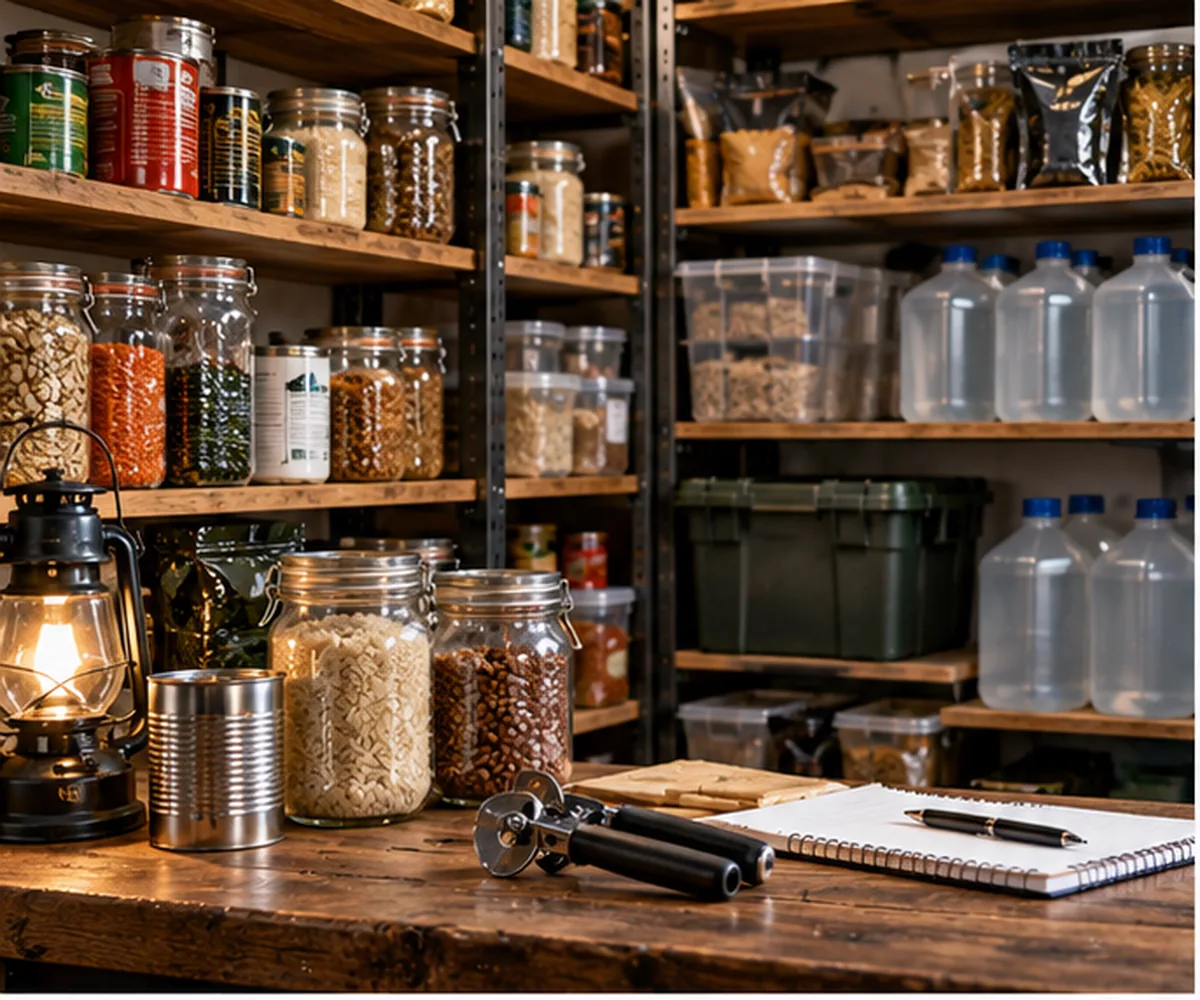
A useful emergency food supply is not just a stack of long-shelf-life packages. It has to work when power is out, water is limited, cooking is inconvenient, and your household is already under stress.
Build around the emergency, not the product
Start with the failures you may have to work around: refrigeration, electricity, tap water, cooking fuel, transportation, or access to stores. A food that looks excellent on a shelf-life chart may be a poor first meal during an evacuation if it needs substantial water and cooking. A heavier ready-to-eat meal can be useful during a short outage but inefficient as the only format for a long household reserve.
| Format | Strength | Tradeoff | Good fit |
|---|---|---|---|
| MRE-style meals | Little preparation | Heavier; storage horizon varies | Evacuation, vehicles, first days |
| Freeze-dried | Long storage potential; light dry weight | Needs safe water | Longer home storage |
| Canned/shelf-stable groceries | Familiar and easy to rotate | Can be heavy | Home pantry |
| Dry staples | Economical and flexible | Often need water, fuel and time | Longer disruptions with cooking capability |
The five-part planning test
1. Duration
Build in layers. Short disruptions reward immediate usability. Longer disruptions make storage efficiency, menu variety, water and fuel planning more important. Know the people and days your supply is meant to cover before buying bulk food.
2. Water dependency
Food and water planning are connected. Freeze-dried and dry foods can be storage-efficient, but preparation water is separate from drinking and sanitation needs. Ready-to-eat foods reduce that dependency.
3. Preparation and power
USDA recommends foods that do not require refrigeration and can be eaten cold or heated by an alternative method. USDA says an unopened refrigerator generally keeps food safely cold for about four hours; a full freezer for about 48 hours, or about 24 hours when half full.
4. Dietary fit
Check allergens, medical dietary requirements, infant needs, texture needs and foods household members will realistically eat. Product labels should be checked at purchase because menus and formulations can change.
5. Storage and rotation
Heat, moisture and damaged packaging work against stored food. Follow manufacturer directions, date inventory and periodically inspect packaging. Familiar grocery foods are particularly easy to rotate.
A layered supply
- Immediate-use: food for the first hours or days without normal utilities.
- Familiar pantry: shelf-stable foods you already eat.
- Longer-storage: purpose-built emergency foods where storage duration matters.
- Water and cooking: safe water and a realistic preparation method for foods that depend on them.
MRE STAR M-018H — 12 Complete Meals
Prepared Bee currently describes this as 12 complete meals averaging about 1,200 calories each, with six meal varieties and a flameless ration heater for each meal. Entrées are fully cooked and do not require water for rehydration.
Tradeoff: Prepared Bee states up to a five-year shelf life at 70°F or cooler. Exact components and allergens vary.
Check MRE STAR at Prepared BeeWhat to buy first
If starting from zero, prioritize a short-duration supply that works without normal utilities, drinking water, a manual can opener where relevant, and foods that fit your household. Then expand duration and variety.
Continue the plan
Read the Complete Guide to MREs, compare MRE vs. Freeze-Dried Food, then use Best Emergency Food Kits when you are ready to compare packaged options.
Sources
Editorial standards
Survival Gear Pro does not claim personal testing of these products. Product specifications are attributed to the current merchant listing and should be rechecked before purchase. Prices and inventory can change.